A Local Guide to UK Stationery Shopping: Independent Shops, Markets and Online Retailers
October 09, 2026 - Stationery
A good travel journal kit is not a desk drawer tipped into a tote bag. It is a small, deliberate set of tools you can reach for on the 14:03 from Leeds to Carlisle, on a damp bench above Ullswater, or at a pub table while your tea goes cold. The test is simple: if it takes more than a minute to get writing, it stays at home.
What follows is a packing list for anyone building a kit for UK travel — weekend breaks, city wanders, coastal walks, and the sort of day out that leaves you holding three train tickets, a pressed leaf and a receipt with nowhere to put them.
Accessories are the fun part, and the fastest route to a kit that weighs a kilogram and gets used twice. Begin with paper. One main journal, and if you like, one tiny notebook for lists and overheard scraps.
Size matters more than most people admit. A5 is the sweet spot for a weekend away; A6 or a slim pocket notebook is what actually comes on a walk. Paper weight decides what you can do with it. Most office notebooks sit somewhere around 70–90gsm, which feathers and ghosts with a wet nib. From about 100gsm upward, fountain pens behave themselves. If you want to add watercolour washes, look for 160gsm or heavier, or accept that the page will buckle.
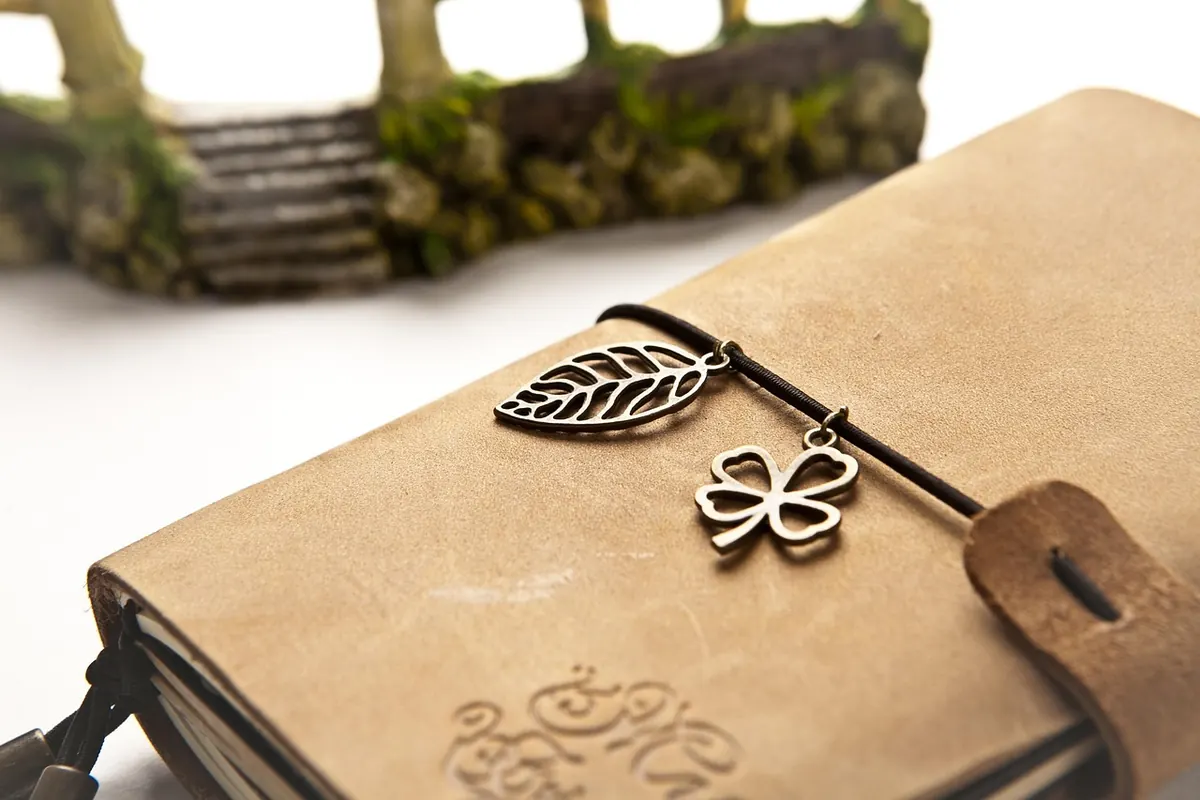
Two more things worth checking before you buy: does it lie flat, and does it have a closure? An elastic band keeps a journal shut in a rucksack, and in a British summer that matters.
Carry one pen you trust and one spare that is genuinely different. A fountain pen for pleasure, a pigment-ink fineliner for anything that must not run, and a pencil for cold platforms and quick sketches.
A pencil earns its place. It does not leak, does not freeze, and does not care that you left it in the car overnight in February. A 2B is dark enough to read, soft enough to shade, and reasonably happy on cheap paper. Add a small sharpener with a shavings catcher and an eraser that does not smudge more than it removes.
Dye-based inks are vivid and will smear the moment a raindrop or a wet glass lands on the page. Pigment inks, the sort used in archival fineliners, dry waterproof and will not lift if you paint over them. If your journal involves watercolour, beer gardens or the British weather, that difference decides whether a page survives the trip.
If you are flying, think about your pen as well as your luggage. Fountain pens can weep ink when cabin pressure changes, so keep them nib-up in a case, take a cartridge pen with the cartridge sealed in a bag, or simply leave the fountain pen at home for the flight and travel with a fineliner.
The spare parts are dull, and they are the difference between a working kit and a decorative one.
Scissors are handy if you paste things in, but check your airline's current cabin baggage rules before packing blades or sharp tools into hand luggage.
Everything below weighs almost nothing and does real work. If something has sat unused for two trips, it has failed its audition.
Rain is the default setting for a good part of the year, so treat water as the enemy. Line your pouch with a zip bag, or use a small roll-top dry bag, and put anything that can leak inside its own layer. A rucksack in a downpour takes on water faster than you would expect.
Split the kit into two: writing in one pouch, sticking and collecting in the other. It keeps everything findable, and it means you can grab just the pen and journal when you are standing up on a bus.
Pack the kit, then walk to the shop with it in your coat pocket. If that feels like a chore, it is too heavy.
Keep the kit assembled between trips. A pouch you rebuild from scratch every time is a pouch you eventually stop rebuilding. Test it at home first: write a page, stick in a ticket, close the journal, and carry it around for an hour. You will learn quickly whether the pen you chose is comfortable for a full page, and whether the notebook really fits the pocket you had in mind.
The full ink bottle, the forty-pen set, the glass dip pen, the A4 sketchbook, and the heavy leather journal you love and never carry. Leave the calligraphy nibs, the wax seal and the watercolour pan set unless you have planned a specific afternoon for them.
Be honest about drying times and flat surfaces. Anything that needs a table, good light and five minutes of setup will not come out on a windy seafront bench. That is not a failure of willpower; it is just how trips work.
When you get home, empty the pouch, replace whatever you used and take out whatever you never touched. After two or three trips the kit stops being a checklist and becomes the thing you pick up on your way out of the door, which is exactly the point.
Photo: qiye / Pixabay
Where to find good stationery in the UK, from independent shops and market stalls to specialist online retailers,...

A practical guide to starting letter writing: choosing simple stationery, finding a reliable pen pal, writing a...
Copyright © 2026 Inkwell Lab. All Right Reserved.