A Local Guide to UK Stationery Shopping: Independent Shops, Markets and Online Retailers
October 09, 2026 - Stationery
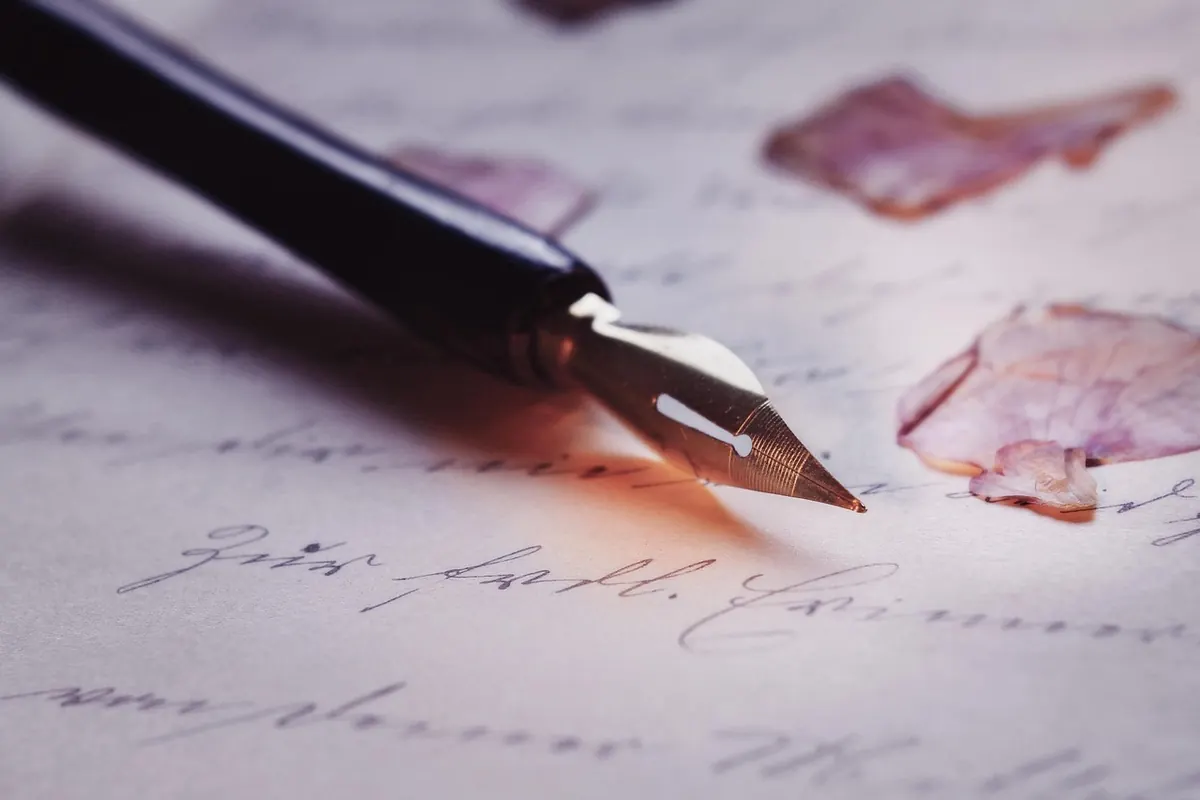
A fountain pen rewards patience. Leave it for a few weeks with ink drying in the feed and the first thing you notice is a thin, skipping line that no amount of shaking will fix. Cleaning isn't really a chore; it's the maintenance that keeps a £20 workhorse writing the way it did the day it arrived. The routine below takes ten minutes, needs nothing exotic, and works for cartridge, converter and piston-fill pens alike.
Not every pen wants a flush every week, and there's a mild cost to over-cleaning: every time you dismantle something, you add a little wear. Look for the signs instead.
A pen in daily use with one ink can go six to eight weeks between flushes. A pen you pick up once a month should be cleaned and dried each time it goes back in the drawer.
On temperature: hot water warps feeds, clouds some plastics and can soften the sealant holding an older pen together. Cool water does the job perfectly well. If you own a vintage pen with a hard-rubber or casein body, keep water away from the barrel entirely and clean only the nib unit — or better, ask a specialist restorer before you start.
Skip the washing-up liquid, alcohol, acetone and household cleaners. Alcohol attacks many pen plastics and plated trim; acetone will ruin a barrel in seconds. If water isn't shifting the ink, use a pen flush made for the purpose and follow its instructions.
Flush until the water runs clear, then flush once more. A trace of blue left in the feed will muddy a pale grey or orange for the first page. If you can spare a little ink, fill the converter with the new colour, expel it, and then fill properly — it primes the feed and gets you a true colour from the first line.
Piston-fillers need patience rather than technique. Turn the knob slowly and stop when it stops; forcing it is how mechanisms break. Draw water into the barrel, expel it, and repeat until the water runs clear — ten to fifteen cycles is normal for a pen that's been in use for a while. Don't unscrew the piston assembly out of the back of the barrel unless the pen is designed for that.
Vacuum fillers work the same way, but the barrel holds more water than you expect. Keep going until it's clear. Eyedroppers are simple: unscrew the section, pour the ink into a cup rather than down the sink, rinse the barrel thoroughly, and let both parts dry completely before reassembly. Any water left inside will dilute the next fill.
One thing worth resisting: don't pull the nib and feed out of the section unless you have a good reason and know the pen. Friction-fit nibs can be re-seated, but feeds crack, fins bend, and some units are keyed in ways that are easy to misalign.
Some inks ask more of you than others.
For a badly clogged pen, a cool soak with a drop of pen flush, repeated over a day or two, will usually do it. Patience beats force every single time.
As a rough guide: flush a daily-use pen every six to eight weeks; flush each pen as it comes out of rotation; flush whenever you change ink; and clean, dry and store pens with no cartridge fitted if they're going away for a while. Before a house move or a long trip, clean everything.
Keep a dedicated old cup for pen water — ink will stain it, and you'd rather that than your good glassware. If you're the sort who forgets, write the flush date on a slip of tape inside the pen box. It's a small habit, but it's the difference between a pen that writes beautifully for twenty years and one that ends up in a drawer, clogged and forgotten.
Photo: SamuelFJohanns / Pixabay
Where to find good stationery in the UK, from independent shops and market stalls to specialist online retailers,...

A practical guide to starting letter writing: choosing simple stationery, finding a reliable pen pal, writing a...
Copyright © 2026 Inkwell Lab. All Right Reserved.